


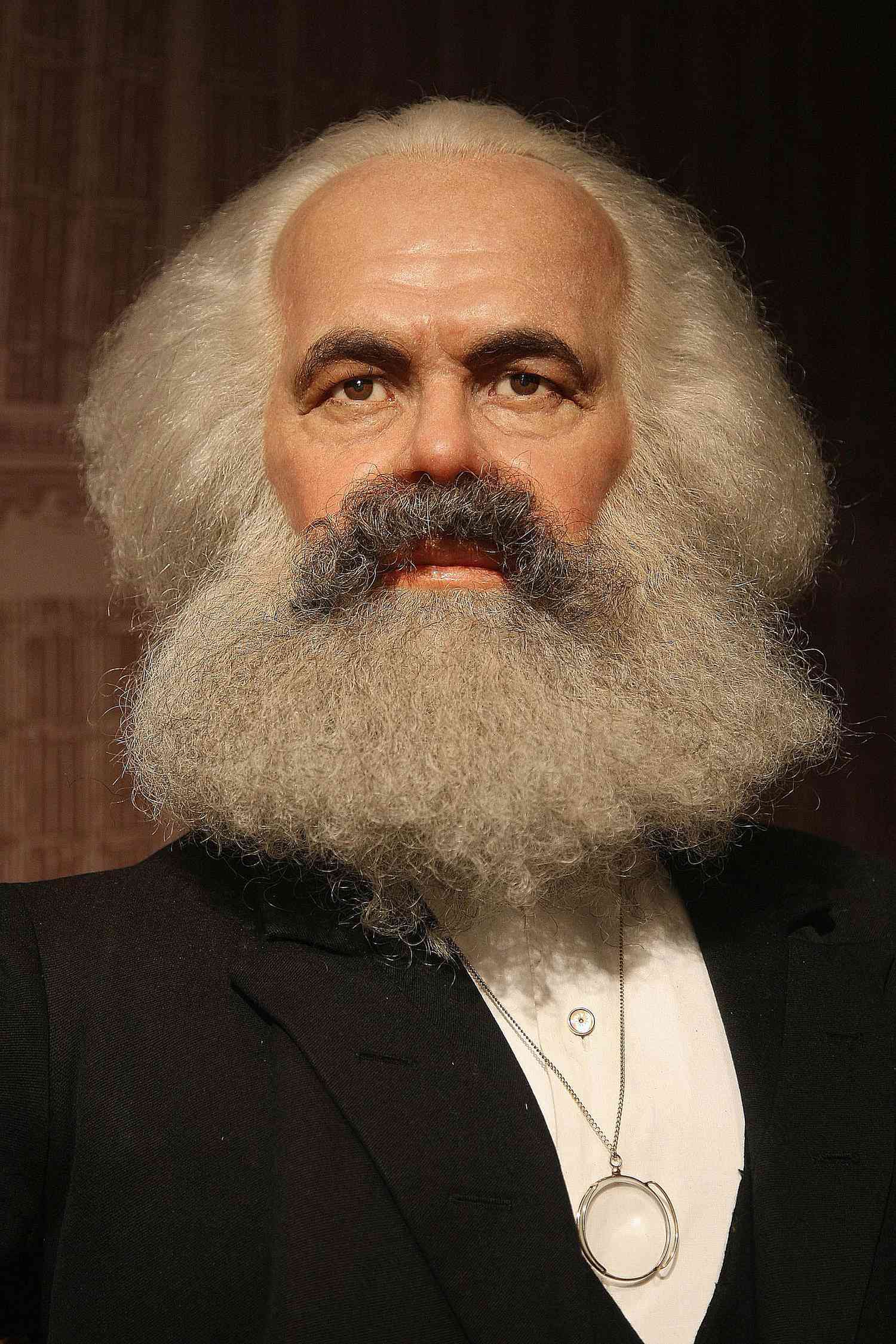
This is a man who tried to reduce the teaching of Jesus Christ to a state of eupforia. Religion is the opium of the people, he wrote
Karl Marx’s economic status was basically: brilliant theorist of capitalism, but personally broke for most of his adult life.
Here’s the breakdown:
- Early life – middle class
Marx was born in 1818 in Trier, Prussia, to a successful Jewish lawyer, Heinrich Marx. His family was comfortably middle class. He went to university, got a PhD, and expected an academic career. - Adult life – chronic poverty
That plan collapsed when Prussian authorities banned his radical newspapers. After moving to London in 1849, Marx lived in poverty for decades:
- He, his wife Jenny, and their 6 kids lived in cramped, cold rooms in Soho and later Kentish Town.
- They often couldn’t pay rent. Debt collectors and pawnbrokers were regular visitors. 3 of Marx’s children died partly due to poor living conditions and lack of medical care.
- Jenny Marx wrote about having to pawn clothes and even the family’s silver to buy food.
- How he survived
Marx didn’t have a steady job. His income came from:
- Friedrich Engels: His friend and co-author was the main lifeline. Engels worked as a manager at his family’s cotton mill in Manchester and sent Marx regular stipends. Without Engels, Marx would have starved.
- Journalism: Marx wrote articles for the New York Daily Tribune and other papers from 1852-1862. It paid poorly but helped.
- Occasional inheritance: A small inheritance from his mother and later from Jenny’s family helped temporarily.
- Later years – still tight, but stable
By the 1860s-70s, as Capital started selling and his reputation grew, Marx’s finances improved a bit. Engels’ support continued, and he inherited more money when Jenny died in 1881. He died in 1883 in London, still dependent on Engels, but not in destitution.
Irony: The man who wrote Das Kapital analyzing wealth, exploitation, and capital accumulation died without owning much capital himself. He lived the life of the 19th-century intellectual proletariat he wrote about.
Marx’s decades of poverty didn’t create his theories, but they deeply colored how he wrote them and what he focused on.
- It made the abstract personal
Marx wasn’t writing about the proletariat from a university office. He lived it.
- Pawning furniture, watching his kids go hungry, getting dunned by landlords – that’s the material deprivation he described in The Communist Manifesto and Capital.
- When he writes about workers being “downgraded to the level of a commodity,” you can hear the anger of someone who’s been treated like one by creditors and editors who wouldn’t pay him.
Engels’ letters show Marx constantly worrying about rent while trying to finish Capital. That pressure sharpened his focus on how capitalism grinds people down materially, not just philosophically.
- But it didn’t blind him – Engels and the British Library balanced it
Here’s the nuance: Marx wasn’t an uneducated worker. Even while broke, he spent 12+ hours a day in the British Museum Reading Room with access to economic data, history, and science. And Engels’ money kept him alive and gave him time to think.
So his poverty gave him emotional insight and urgency, but his analysis was built on serious research, not just personal resentment. He wasn’t saying “I’m poor, therefore capitalism is bad.” He was saying “I’m poor and I’ve studied how the system produces poverty systematically.”
- It shaped his priorities
Because he felt the sting of economic insecurity, Marx cared less about abstract moral philosophy and more about:
- Wages, working hours, unemployment – the things that put food on the table or didn’t.
- The way ideology makes poverty seem “natural” or deserved – something he felt firsthand when middle-class critics dismissed him as lazy.
- The need for collective action – he knew individual virtue wouldn’t pay the rent.
The counterpoint: Some critics argue his poverty made him overstate exploitation and underestimate capitalism’s ability to raise living standards. Others say without that lived pressure, Capital would be drier and less compelling.
So his economic situation was like fuel, not the engine. The engine was his theory of historical materialism. The fuel was living the consequences of it every day.

