


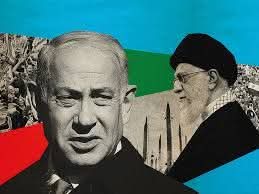
The leaders of Israel and Iran belong to very different religious traditions, and these differences have significantly influenced the strained relationship between the two nations.
🇮🇱 Israel’s Leaders – Judaism
Religion: Judaism (primarily Orthodox or secular-traditionalist).
Current Prime Minister (as of 2025): Benjamin Netanyahu, a secular Jew with strong ties to religious Zionist factions.
Religious Influence:
While Israel is a Jewish state, it operates as a secular democracy.
However, religion plays a central role in its national identity, law (e.g., Sabbath observance in public life), and the ideological foundation of Zionism the movement supporting the re-establishment of a Jewish homeland.
🇮🇷 Iran’s Leaders – Shia Islam
Religion: Twelver Shia Islam.
Supreme Leader: Ayatollah Ali Khamenei, a Shia cleric who holds ultimate religious and political authority.
President (as of 2025): Likely a conservative or hardline Muslim, subordinate to the Supreme Leader.
Religious Influence:
Iran is a theocratic Islamic Republic, where Shia Islamic doctrine guides law, governance, and foreign policy.
The government promotes anti-Western and anti-Israel narratives based on both religious ideology and geopolitical interests.
🔥 Impact of Religion on Iran-Israel Relations
- Ideological Hostility:
Iran does not recognize Israel’s right to exist, calling it a “Zionist regime.”
Iran’s religious leaders view Israel as a colonial and illegitimate state occupying Islamic land.
Israel, in turn, views Iran’s theocratic regime as a threat to regional stability and Jewish existence.
- Geopolitical Proxy Conflicts:
Iran supports Hezbollah (Lebanon), Hamas (Gaza), and other armed groups that oppose Israel often justified through Islamic resistance narratives.
Israel has conducted numerous airstrikes in Syria to stop Iranian arms transfers to these groups.
- Nuclear Tensions:
Israel sees a nuclear-armed Iran as an existential threat, particularly because of Tehran’s repeated calls for the “end of the Zionist regime.”
Religious apocalyptic rhetoric from some Iranian clerics fuels Israeli fears.
- Religious Narratives:
Iran’s Shia eschatology includes concepts like the Mahdi (a messianic figure) and often portrays resistance against Israel as a divine duty.
Israel sees its national revival as a fulfillment of biblical prophecy, further deepening the ideological divide.
Country Religion of Leaders Influence on Policy Impact on Relations
Israel Judaism National identity, Zionist ideology Sees Iran as existential threat
Iran Shia Islam Theocratic governance, anti-Zionist doctrine Sees Israel as illegitimate occupier
🕊️ Can Religion Also Be a Path to Peace?
While religion has largely fueled hostilities, some interfaith efforts and moderate voices exist. But until the ideological foundations of both governments shift, religious and political differences will likely continue to drive mutual hostility.

