


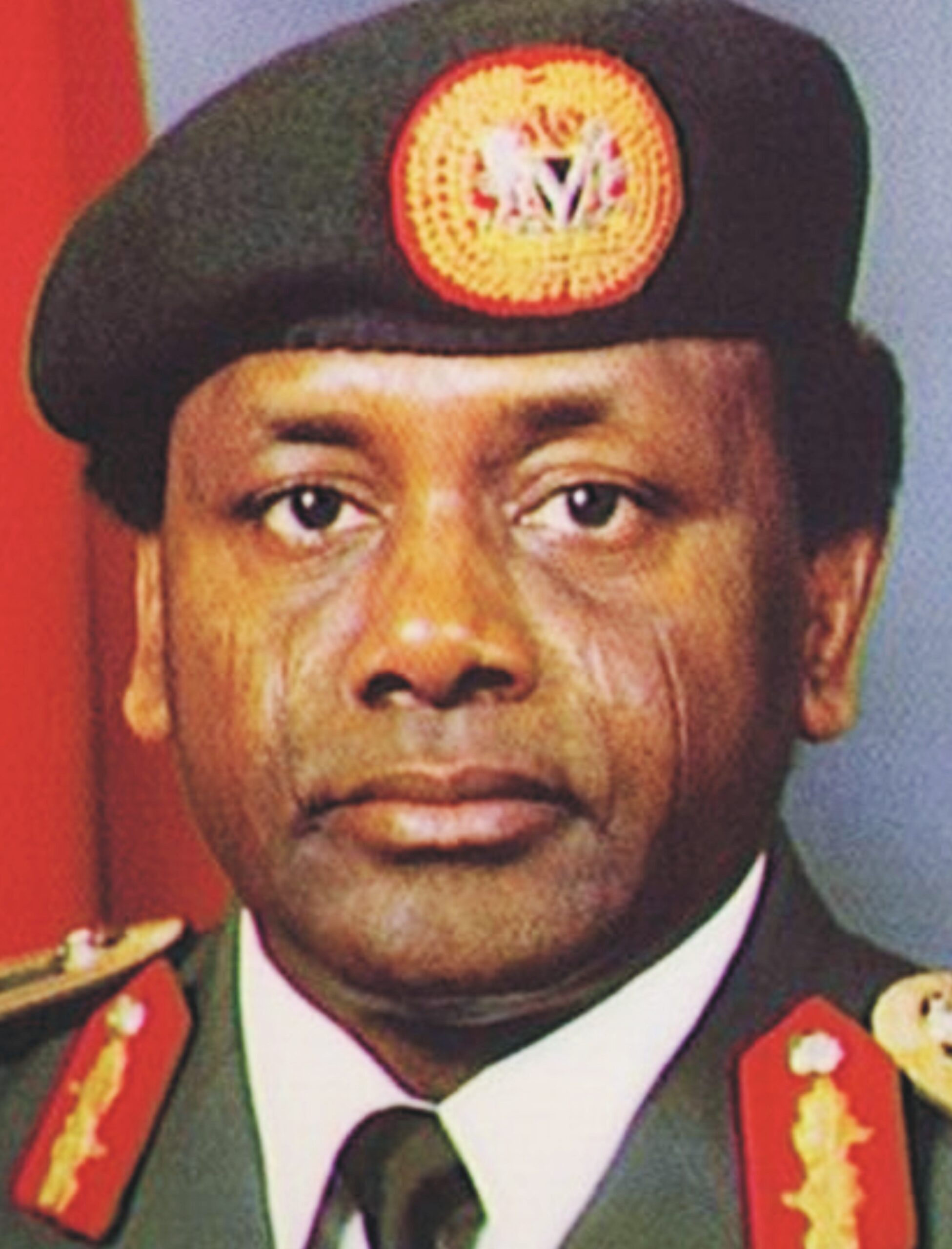
𝟮𝟬 𝗧𝗛𝗜𝗡𝗚𝗦 𝗧𝗛𝗘𝗬 𝗪𝗢𝗡’𝗧 𝗧𝗘𝗟𝗟 𝗬𝗢𝗨 𝗔𝗕𝗢𝗨𝗧 𝗔𝗕𝗔𝗖𝗛𝗔 𝗔𝗡𝗗 𝗝𝗨𝗡𝗘 𝟭𝟮 — 𝗕𝗘𝗬𝗢𝗡𝗗 𝗧𝗛𝗘 𝗠𝗬𝗧𝗛
𝗜𝗻𝘁𝗿𝗼𝗱𝘂𝗰𝘁𝗶𝗼𝗻:
Every June 12, Nigeria remembers a pivotal moment in its democratic history — the annulled 1993 presidential election presumed to be won by Chief MKO Abiola. While many accounts glorify Abiola and vilify General Sani Abacha, the reality is far more nuanced. Here are 20 critical but rarely discussed facts that challenge the one-sided narrative.
➊ 𝗗𝗶𝗱 𝗔𝗯𝗶𝗼𝗹𝗮 𝘄𝗶𝗻 𝘁𝗵𝗲 𝗝𝘂𝗻𝗲 𝟭𝟮 𝗲𝗹𝗲𝗰𝘁𝗶𝗼𝗻?
No, the presidential election of June 12 was annulled before it could be completed. Results had not been fully collated or legally ratified when the process was halted on June 23, 1993. So it was what we know today as an inconclusive election.
➋ 𝗛𝗼𝘄 𝗺𝗮𝗻𝘆 𝘀𝘁𝗮𝘁𝗲𝘀 𝘄𝗲𝗿𝗲 𝗼𝗳𝗳𝗶𝗰𝗶𝗮𝗹𝗹𝘆 𝗱𝗲𝗰𝗹𝗮𝗿𝗲𝗱 𝗯𝗲𝗳𝗼𝗿𝗲 𝗮𝗻𝗻𝘂𝗹𝗺𝗲𝗻𝘁?
At the time of the annulment, only partial results from 15 of Nigeria’s 30 states had been released. This made it difficult to legally declare a winner.
➌ 𝗗𝗶𝗱 𝗮𝗻𝘆 𝗹𝗮𝘄 𝘀𝘂𝗽𝗽𝗼𝗿𝘁 𝗔𝗯𝗶𝗼𝗹𝗮’𝘀 𝗰𝗹𝗮𝗶𝗺 𝘁𝗼 𝘃𝗶𝗰𝘁𝗼𝗿𝘆?
Contrary to popular belief, no section of the Nigerian constitution or electoral law gave legal force to Abiola’s claim to the presidency without INEC’s final declaration.
➍ 𝗪𝗵𝗮𝘁 𝗱𝗶𝗱 𝘁𝗵𝗲 𝗙𝗲𝗱𝗲𝗿𝗮𝗹 𝗛𝗶𝗴𝗵 𝗖𝗼𝘂𝗿𝘁 𝗿𝘂𝗹𝗲 𝗼𝗻 𝗔𝗯𝗶𝗼𝗹𝗮’𝘀 𝗰𝗹𝗮𝗶𝗺?
In a case filed by Abiola, Justice Dolapo Akinsanya ruled the Interim National Government illegal but did not grant Abiola’s prayer to be declared president, citing lack of legal foundation.
➎ 𝗪𝗵𝘆 𝘄𝗮𝘀 𝗔𝗯𝗶𝗼𝗹𝗮’𝘀 𝗮𝗽𝗽𝗲𝗮𝗹 𝗱𝗶𝘀𝗺𝗶𝘀𝘀𝗲𝗱?
Justice Abubakar Bashir Wali dismissed Abiola’s appeal because the annulment had already been gazetted, and Abiola’s lawyer, Aare Afe Babalola, admitted that there was no live issue (“lis”) before the court.
➏ 𝗪𝗵𝗼 𝗮𝗱𝘃𝗶𝘀𝗲𝗱 𝗔𝗯𝗶𝗼𝗹𝗮 𝘁𝗼 𝗰𝗼𝗻𝗰𝗲𝗱𝗲, 𝗮𝗻𝗱 𝘄𝗵𝗮𝘁 𝘄𝗮𝘀 𝗵𝗶𝘀 𝗿𝗲𝘀𝗽𝗼𝗻𝘀𝗲?
Prominent figures including Shehu Musa Yar’Adua and SDP Chairman Tony Anenih advised Abiola to accept the annulment and prepare for another election. Abiola refused, leading to further political tension.
➐ 𝗪𝗵𝘆 𝗱𝗶𝗱 𝗔𝗯𝗮𝗰𝗵𝗮 𝘁𝗮𝗸𝗲 𝗼𝘃𝗲𝗿 𝗽𝗼𝘄𝗲𝗿 𝗶𝗻 𝟭𝟵𝟵𝟯?
When Abacha seized power on November 17, 1993, Nigeria was facing constitutional chaos. The Interim Government had already been declared illegal, and the country was on the brink.
➑ 𝗗𝗶𝗱 𝗔𝗯𝗮𝗰𝗵𝗮 𝗶𝗻𝗶𝘁𝗶𝗮𝗹𝗹𝘆 𝘀𝘂𝗽𝗽𝗼𝗿𝘁 𝗔𝗯𝗶𝗼𝗹𝗮?
To stabilize the country, Abacha included Abiola’s allies in his government, such as Babagana Kingibe, Iyorchia Ayu, Solomon Lar, Ebenezer Babatope, and Lateef Jakande.
➒ 𝗪𝗵𝘆 𝗱𝗶𝗱𝗻’𝘁 𝗔𝗯𝗮𝗰𝗵𝗮 𝗱𝗲𝗰𝗹𝗮𝗿𝗲 𝗔𝗯𝗶𝗼𝗹𝗮 𝗽𝗿𝗲𝘀𝗶𝗱𝗲𝗻𝘁?
Although sympathetic, Abacha could not constitutionally install Abiola as president. Doing so would have plunged the nation further into legal uncertainty.
➓ 𝗪𝗵𝗮𝘁 𝗵𝗮𝗽𝗽𝗲𝗻𝗲𝗱 𝗼𝗻 𝗝𝘂𝗻𝗲 𝟭𝟭, 𝟭𝟵𝟵𝟰?
Abiola unilaterally declared himself president. This was viewed as unconstitutional and amounted to a treasonable offense.
⓫ 𝗪𝗵𝘆 𝘄𝗮𝘀 𝗔𝗯𝗶𝗼𝗹𝗮 𝗮𝗿𝗿𝗲𝘀𝘁𝗲𝗱 𝗶𝗻 𝟭𝟵𝟵𝟰?
Following his self-declaration, Abiola was arrested and charged with treason. The arrest, while politically charged, was supported by law.
⓬ 𝗪𝗮𝘀 𝗔𝗯𝗶𝗼𝗹𝗮 𝗲𝘃𝗲𝗿 𝗼𝗳𝗳𝗲𝗿𝗲𝗱 𝗯𝗮𝗶𝗹?
Contrary to popular belief, Abiola was granted bail multiple times under Abacha’s regime. He rejected them, often on the advice of foreign backers or due to conditions he deemed unacceptable.
⓭ 𝗪𝗵𝗮𝘁 𝘄𝗮𝘀 𝗡𝗔𝗗𝗘𝗖𝗢’𝘀 𝗺𝗶𝘀𝘀𝗶𝗼𝗻?
Formed on May 15, 1994, NADECO’s mission was not just to restore democracy but to forcefully remove Abacha by any means necessary.
⓮ 𝗗𝗶𝗱 𝗔𝗯𝗮𝗰𝗵𝗮 𝗿𝗲𝗽𝗿𝗲𝘀𝘀 𝗼𝗿 𝗱𝗲𝗳𝗲𝗻𝗱 𝗵𝗶𝗺𝘀𝗲𝗹𝗳 𝗮𝗴𝗮𝗶𝗻𝘀𝘁 𝗡𝗔𝗗𝗘𝗖𝗢?
Given NADECO’s radical agenda, Abacha saw his crackdown as an act of national defense, not oppression. The group had foreign funding and openly supported rebellion.
⓯ 𝗗𝗶𝗱 𝗔𝗯𝗮𝗰𝗵𝗮 𝗲𝘅𝗲𝗰𝘂𝘁𝗲 𝗰𝗼𝘂𝗽 𝗽𝗹𝗼𝘁𝘁𝗲𝗿𝘀?
Unlike his predecessors, Abacha did not execute coup plotters. He sentenced them to life imprisonment, showing restraint rare in Nigeria’s military history.
⓰ 𝗪𝗲𝗿𝗲 𝗪𝗲𝘀𝘁𝗲𝗿𝗻 𝘀𝗮𝗻𝗰𝘁𝗶𝗼𝗻𝘀 𝗮𝗯𝗼𝘂𝘁 𝗱𝗲𝗺𝗼𝗰𝗿𝗮𝗰𝘆?
Despite criticizing Abacha publicly, Western nations maintained oil and arms dealings with Nigeria. The sanctions were more about geopolitics than democracy.
⓱ 𝗪𝗮𝘀 𝗔𝗯𝗶𝗼𝗹𝗮 𝘁𝗵𝗲 𝗼𝗻𝗹𝘆 𝗽𝗼𝗹𝗶𝘁𝗶𝗰𝗮𝗹 𝘃𝗶𝗰𝘁𝗶𝗺?
General Ibrahim Babangida had already banned Shehu Musa Yar’Adua — the leading candidate in the earlier 1992 elections. Abiola was not the only victim of a broken transition process.
⓲ 𝗗𝗶𝗱 𝗔𝗯𝗶𝗼𝗹𝗮’𝘀 𝗲𝗴𝗼 𝗽𝗹𝗮𝘆 𝗮 𝗿𝗼𝗹𝗲 𝗶𝗻 𝘁𝗵𝗲 𝗰𝗿𝗶𝘀𝗶𝘀?
Abiola’s refusal to accept compromise or legal advice fueled the crisis. His self-declaration of presidency was driven by personal conviction and ego rather than constitutional process.
⓳ 𝗪𝗵𝗮𝘁 𝗵𝗮𝗽𝗽𝗲𝗻𝗲𝗱 𝗮𝗳𝘁𝗲𝗿 𝗝𝘂𝗻𝗲 𝟭𝟮 𝗮𝗴𝗶𝘁𝗮𝘁𝗼𝗿𝘀 𝘁𝗼𝗼𝗸 𝗽𝗼𝘄𝗲𝗿 𝗶𝗻 𝟭𝟵𝟵𝟵?
Since the return to democracy in 1999, most Nigerian leaders have emerged from the political factions that championed June 12. Ironically, these years have seen worsening human rights abuses, economic stagnation, and unprecedented insecurity.
⓴ 𝗗𝗼 𝘁𝗼𝗱𝗮𝘆’𝘀 𝗹𝗲𝗮𝗱𝗲𝗿𝘀 𝗵𝗼𝗻𝗼𝗿 𝗔𝗯𝗶𝗼𝗹𝗮’𝘀 𝗹𝗲𝗴𝗮𝗰𝘆 𝗶𝗻 𝗮𝗰𝘁𝗶𝗼𝗻?
While many politicians and activists use June 12 to praise Abiola as a democratic hero, his family has been sidelined politically. No significant national position has been offered to any of his children, despite the sacrifices he made. This exposes the lip service and hypocrisy behind much of the annual celebration.
𝗖𝗼𝗻𝗰𝗹𝘂𝘀𝗶𝗼𝗻:
The story of June 12 and General Abacha is far more complex than most public accounts suggest. By examining these lesser-known truths, we can foster a more balanced and historically accurate conversation. Democracy cannot thrive without truth, and truth does not need to be popular to be valid.
theamazingabacha

